Global Politics
Iran Expands Gulf Strikes, Raising Global Conflict Fears
Published On:
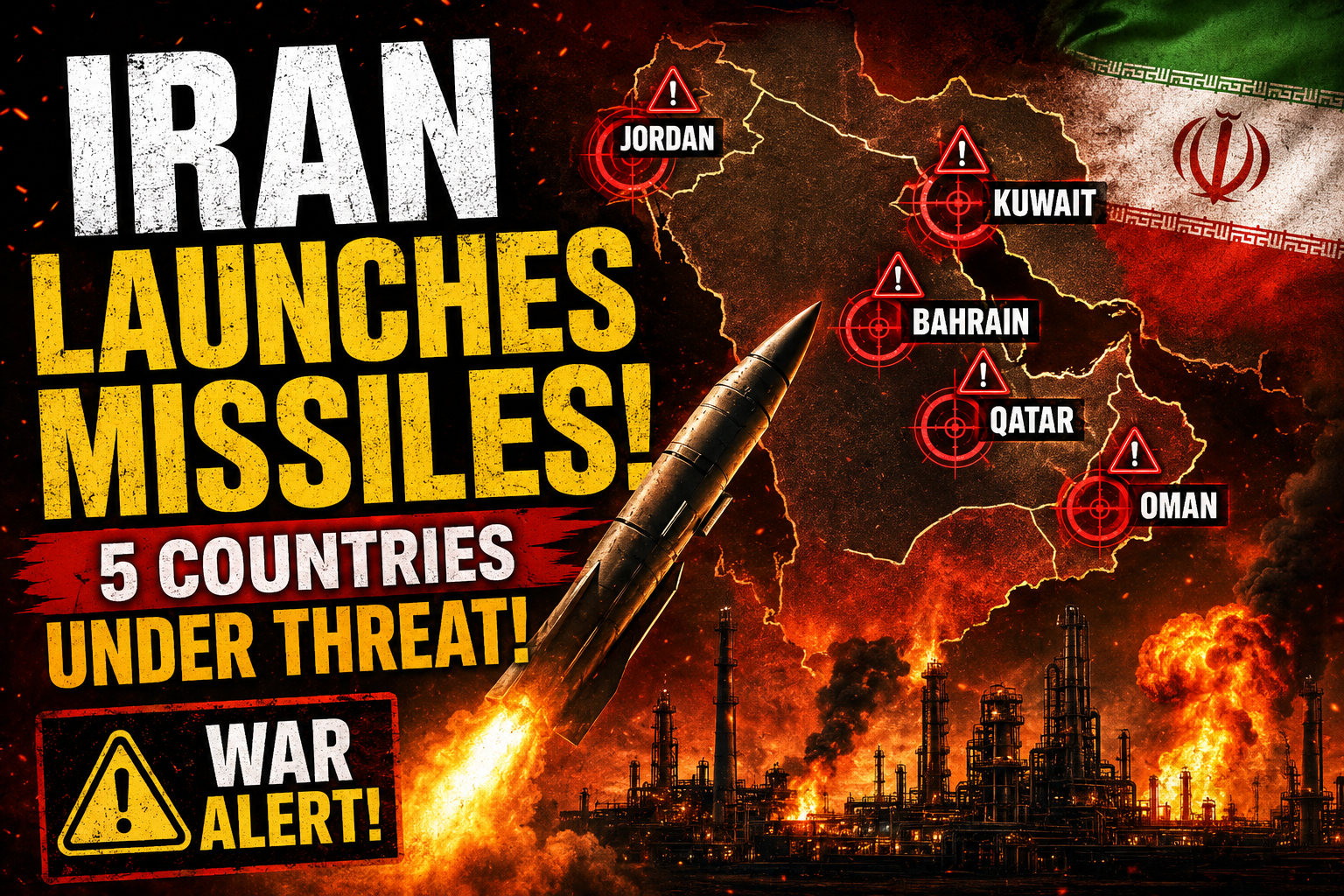
Tensions in the Middle East have intensified as Iran has reportedly launched strikes targeting locations associated with U.S. military interests in Bahrain, Kuwait, Jordan, Qatar, and Oman. These developments mark another dangerous phase in the ongoing confrontation between Iran and the United States, raising fears of a broader regional conflict. Analysts warn that any further military escalation could trigger a strong response from U.S. forces and significantly impact global markets.
So far, Saudi Arabia and the United Arab Emirates have not been directly targeted in the reported attacks. Some observers believe Tehran may be avoiding strikes on these countries to prevent a wider regional war. However, they caution that if the United States launches additional military operations against Iran, key Gulf nations could become potential targets, increasing instability across the region.
Diplomatic tensions have also deepened over Iran’s nuclear program. During recent discussions, Iranian officials reportedly questioned why international inspectors should only examine Iran’s nuclear facilities while Israel’s undeclared nuclear capabilities remain outside similar scrutiny. Although such remarks do not represent a formal change in Iran’s nuclear policy, they reflect Tehran’s continued frustration over what it views as unequal international standards.
Another major concern is the strategic Strait of Hormuz, through which nearly one-fifth of the world’s oil supply passes. Iranian officials have repeatedly suggested that disruption of shipping in the waterway would have severe consequences for the global economy. Any prolonged interruption to maritime traffic could drive oil prices sharply higher, increase inflation worldwide, and disrupt international supply chains.
The conflict also presents significant economic challenges for countries like India, which depend heavily on imported crude oil. If Gulf oil exports are disrupted, India may need to diversify its energy imports. However, purchasing more Russian oil could become complicated if additional Western sanctions or tariffs are imposed, limiting available options and increasing energy costs.
While military activity continues, world leaders are under growing pressure to prevent the crisis from expanding into a full-scale regional war. Diplomatic negotiations remain critical, as prolonged conflict would not only threaten Middle East stability but also have far-reaching consequences for global trade, energy security, and economic growth. Investors and governments are expected to closely monitor developments in the coming days as the situation remains highly volatile.
Recent Post